

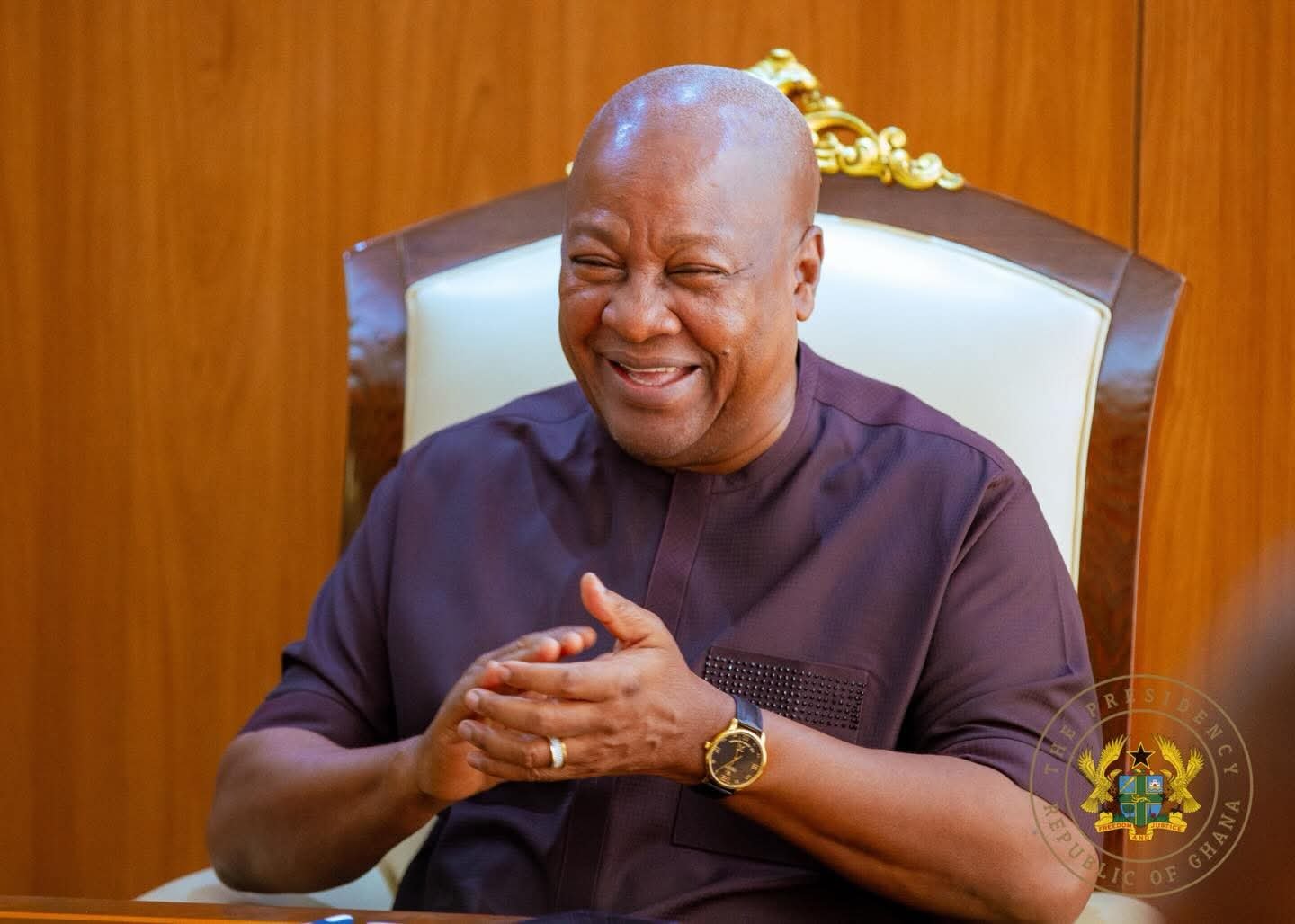
President John Dramani Mahama outlines sweeping education reforms in the 2026 State of the Nation Address, covering Free SHS stability, curriculum reforms, teacher housing, TVET expansion, and new universities.
Education reform occupied a central place in the 2026 State of the Nation Address delivered by President , who outlined what he described as a comprehensive “reset agenda” aimed at transforming Ghana’s education system from basic school to tertiary level.
Addressing the , the President presented a wide-ranging package of reforms designed to expand access, strengthen foundational learning, modernise the national curriculum, and improve teacher welfare.
The reforms, according to the President, form part of a broader national development strategy intended to prepare Ghana’s workforce for a rapidly changing global economy while ensuring equity and inclusion across the education system.
No-Fees-Stress Initiative Expands Access to Tertiary Education
Among the major initiatives highlighted in the address was the , which was launched in Koforidua to ease financial barriers faced by first-year students in public tertiary institutions.
Government figures indicate that more than 152,698 first-year students benefited from the initiative during the 2025 academic year. The number is projected to exceed 220,000 beneficiaries in the 2026 academic year.
Officials say the programme forms part of efforts to ensure that access to higher education is not determined by financial constraints.
Major Curriculum Reforms Introduced at Basic Education Level
A significant policy shift will also affect Ghana’s basic education system. The government has begun reviewing the national from Kindergarten to Primary Six.
The revised curriculum will incorporate robotics, coding, and elements of generative artificial intelligence in age-appropriate formats. The reform will also place strong emphasis on digital responsibility, ethical technology use, and critical thinking.
Education authorities argue that early exposure to technology-driven learning will help prepare Ghanaian students for emerging fields in science and industry.
Government Moves to Eliminate “Schools Under Trees”
Infrastructure development also featured prominently in the President’s education agenda.
Government plans to construct 200 kindergarten classroom blocks, 200 primary school blocks, and 200 junior high school blocks nationwide. The initiative is intended to eliminate the long-standing challenge of makeshift learning environments often described as “schools under trees.”
Officials say the programme represents one of the largest basic education infrastructure drives in recent years.
Increased Support for Special Needs Education
The President also announced new measures aimed at strengthening inclusive education.
Under amendments to the , a dedicated funding mechanism has been established to support free education for learners with special needs beginning in the 2026 academic year.
Government has also increased the daily feeding grant for students in public special schools from GHS 8 to GHS 15 to address the nutritional requirements of learners with disabilities.
In addition, a new modern Special Needs School will be constructed in Ho, while the existing special school facility in Akropong-Akuapem will be rehabilitated and upgraded.
Technical Universities and TVET Centres to Drive Skills Development
In addressing youth unemployment, the President emphasised the importance of technical and vocational education.
Government plans to establish three new technical universities to strengthen industry-oriented training and innovation. These institutions are expected to complement existing tertiary institutions and expand practical skills training for young people.
Six Regional TVET Centres of Excellence will also be constructed nationwide to support technical education aligned with labour market demands.
Expansion of Higher Education Infrastructure
Beyond technical universities, government has secured international partnerships to establish two additional public universities in Kintampo in the Bono East Region and Jasikan in the Oti Region.
A grant from China will also support the establishment of a new public university in Damongo in the Savannah Region.
Authorities say the move aims to improve regional access to tertiary education and support balanced national development.
Teacher Housing Programme to Improve Retention
Another major announcement concerned teacher welfare. Government, in collaboration with the District Assemblies Common Fund, the , the , and other partners, plans to construct 50,000 housing units for teachers across the country.
The initiative is particularly targeted at teachers posted to rural and underserved communities where accommodation challenges often affect retention.
Education at the Centre of National Development
Education analysts say the reforms outlined in the address signal a renewed policy emphasis on strengthening foundational learning while aligning the education system with technological change and labour market needs.
The comprehensive scope of the reforms reflects government’s attempt to reposition education as a central driver of national transformation.


