
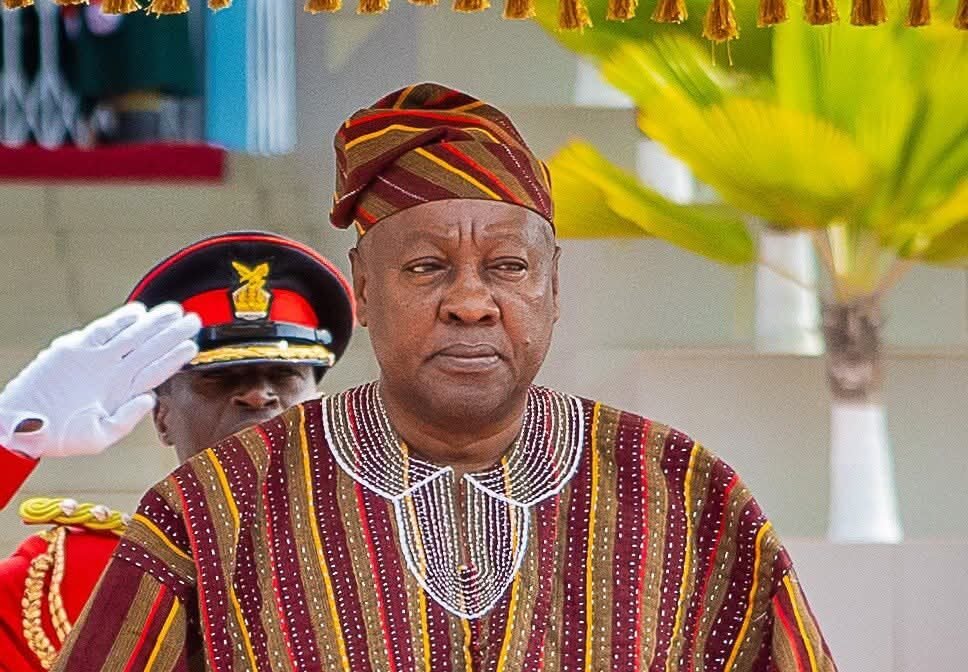
SONA 2026: President John Dramani Mahama announces upgrade of 30 Category C schools to Category B and 10 Category B schools to Category A to decongest Senior High Schools across Ghana.
By Education Correspondent
A measured reorganisation of Ghana’s Senior High School structure has been set in motion, following an announcement in Parliament that forty institutions will be upgraded under a new access and parity plan.
President , addressing the House during the 2026 State of the Nation Address, disclosed that thirty Category C schools are to be elevated to Category B, while ten Category B schools will attain Category A status. Facilities within existing Category A schools are also to be expanded.
The policy is presented as a direct response to congestion within the secondary school system and disparities in institutional capacity.
Rebalancing the SHS Structure
The categorisation of Senior High Schools in Ghana reflects infrastructure strength, academic resources, boarding capacity, and historical performance. Category A institutions often attract high demand, placing strain on facilities and admissions processes.
By upgrading selected schools, government seeks to distribute enrolment more evenly and broaden opportunity across regions.
Education planners have long observed that uneven infrastructure development contributes to pressure on well-established institutions while others operate below capacity. The reclassification and upgrade strategy is intended to correct that imbalance.
Infrastructure and Capacity Expansion
The President indicated that expansion works will accompany reclassification. Laboratories, dormitories, libraries, and classroom facilities are expected to receive attention in order to meet Category A and B standards.
Improved facilities, according to education analysts, can elevate academic outcomes and strengthen public confidence in newly upgraded schools.
Where resources follow status, enrolment patterns tend to shift. That prospect lies at the heart of the reform.
Addressing Congestion
Congestion within certain Senior High Schools has been a persistent concern, particularly since the expansion of secondary education access in recent years. Overcrowded dormitories and strained amenities affect student welfare and instructional quality.
The planned upgrades form part of a broader secondary education reform agenda aimed at expanding capacity while preserving standards.
Observers note that successful implementation will require careful monitoring of construction timelines, procurement processes, and equitable regional distribution.
Equity and Opportunity
The measure carries implications beyond bricks and mortar. Elevating schools in underserved areas may enhance local educational prestige and reduce the compulsion for students to travel long distances in pursuit of perceived quality.
In policy terms, the initiative reflects an attempt to reconcile access with excellence. Expansion without dilution remains the stated aim.
The education segment of the 2026 address outlined several complementary measures, including curriculum reform at the basic level and investment in technical education. Within that framework, the restructuring of Senior High School categories occupies a strategic position.
Whether the upgrades achieve lasting decongestion will depend upon execution and sustained funding. For now, the declaration signals intent to recalibrate Ghana’s secondary education landscape in favour of broader access and institutional balance.