Home Blog Page 2

SONA 2026 Education Reforms: Mahama Unveils Comprehensive Reset Agenda for National Transformation

0
SONA 2026: Mahama Outlines Sweeping GETFUND Education Reforms, Infrastructure Expansion and Teacher Housing Plan

President John Dramani Mahama outlines sweeping education reforms in the 2026 State of the Nation Address, covering Free SHS stability, curriculum reforms, teacher housing, TVET expansion, and new universities.

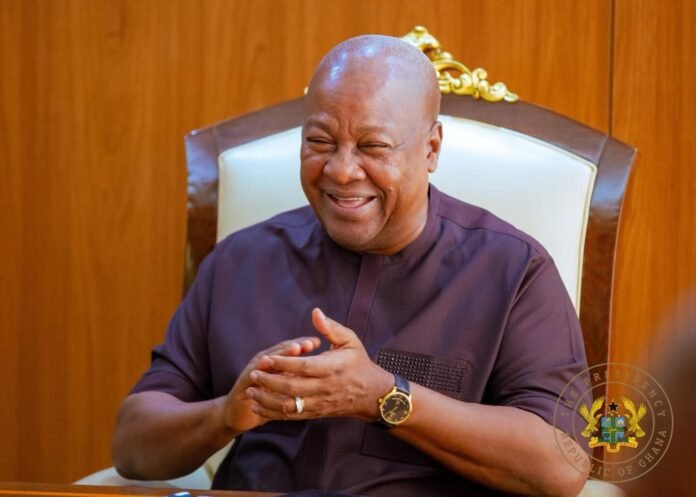
Education reform occupied a central place in the 2026 State of the Nation Address delivered by President , who outlined what he described as a comprehensive “reset agenda” aimed at transforming Ghana’s education system from basic school to tertiary level.

Addressing the , the President presented a wide-ranging package of reforms designed to expand access, strengthen foundational learning, modernise the national curriculum, and improve teacher welfare.

The reforms, according to the President, form part of a broader national development strategy intended to prepare Ghana’s workforce for a rapidly changing global economy while ensuring equity and inclusion across the education system.

No-Fees-Stress Initiative Expands Access to Tertiary Education

Among the major initiatives highlighted in the address was the , which was launched in Koforidua to ease financial barriers faced by first-year students in public tertiary institutions.

Government figures indicate that more than 152,698 first-year students benefited from the initiative during the 2025 academic year. The number is projected to exceed 220,000 beneficiaries in the 2026 academic year.

Officials say the programme forms part of efforts to ensure that access to higher education is not determined by financial constraints.

Major Curriculum Reforms Introduced at Basic Education Level

A significant policy shift will also affect Ghana’s basic education system. The government has begun reviewing the national from Kindergarten to Primary Six.

The revised curriculum will incorporate robotics, coding, and elements of generative artificial intelligence in age-appropriate formats. The reform will also place strong emphasis on digital responsibility, ethical technology use, and critical thinking.

Education authorities argue that early exposure to technology-driven learning will help prepare Ghanaian students for emerging fields in science and industry.

Government Moves to Eliminate “Schools Under Trees”

Infrastructure development also featured prominently in the President’s education agenda.

Government plans to construct 200 kindergarten classroom blocks, 200 primary school blocks, and 200 junior high school blocks nationwide. The initiative is intended to eliminate the long-standing challenge of makeshift learning environments often described as “schools under trees.”

Officials say the programme represents one of the largest basic education infrastructure drives in recent years.

Increased Support for Special Needs Education

The President also announced new measures aimed at strengthening inclusive education.

Under amendments to the , a dedicated funding mechanism has been established to support free education for learners with special needs beginning in the 2026 academic year.

Government has also increased the daily feeding grant for students in public special schools from GHS 8 to GHS 15 to address the nutritional requirements of learners with disabilities.

In addition, a new modern Special Needs School will be constructed in Ho, while the existing special school facility in Akropong-Akuapem will be rehabilitated and upgraded.

Technical Universities and TVET Centres to Drive Skills Development

In addressing youth unemployment, the President emphasised the importance of technical and vocational education.

Government plans to establish three new technical universities to strengthen industry-oriented training and innovation. These institutions are expected to complement existing tertiary institutions and expand practical skills training for young people.

Six Regional TVET Centres of Excellence will also be constructed nationwide to support technical education aligned with labour market demands.

Expansion of Higher Education Infrastructure

Beyond technical universities, government has secured international partnerships to establish two additional public universities in Kintampo in the Bono East Region and Jasikan in the Oti Region.

A grant from China will also support the establishment of a new public university in Damongo in the Savannah Region.

Authorities say the move aims to improve regional access to tertiary education and support balanced national development.

Teacher Housing Programme to Improve Retention

Another major announcement concerned teacher welfare. Government, in collaboration with the District Assemblies Common Fund, the , the , and other partners, plans to construct 50,000 housing units for teachers across the country.

The initiative is particularly targeted at teachers posted to rural and underserved communities where accommodation challenges often affect retention.

Education at the Centre of National Development

Education analysts say the reforms outlined in the address signal a renewed policy emphasis on strengthening foundational learning while aligning the education system with technological change and labour market needs.

The comprehensive scope of the reforms reflects government’s attempt to reposition education as a central driver of national transformation.
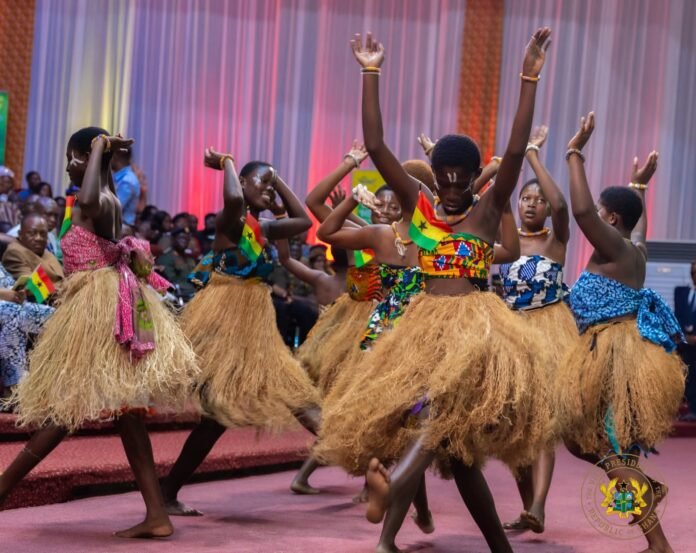
Stable Food Supply Maintained Under Free SHS Programme Throughout 2025 Academic Year

0

Government confirms uninterrupted food supply to Senior High Schools under the Free SHS programme throughout the 2025 academic year, reinforcing student welfare and learning stability across Ghana.

The government has confirmed that Senior High Schools across the country experienced a stable and uninterrupted supply of food throughout the 2025 academic year under the Free Senior High School programme.

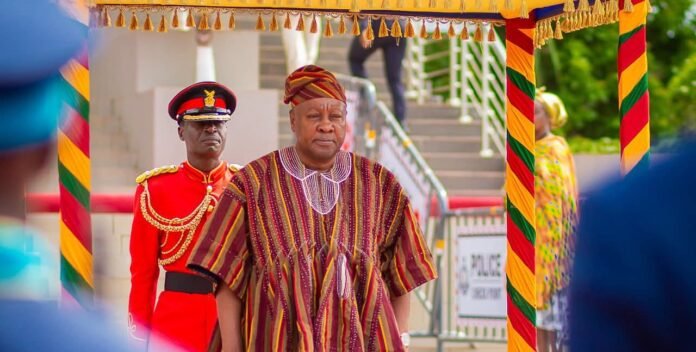
President made this disclosure during the 2026 State of the Nation Address delivered before , where he outlined key developments in the education sector and assessed progress made in implementing government policy commitments.

According to the President, the steady supply of quality food to schools formed an essential part of efforts to sustain student welfare and preserve the stability of the country’s flagship secondary education programme.

Food Supply Key to Student Welfare

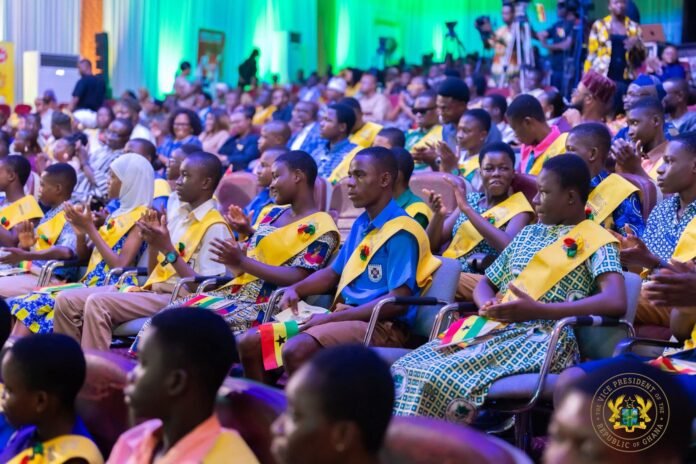
The feeding component of the remains one of the most critical elements supporting students enrolled in public Senior High Schools. With thousands of learners living on campus in boarding facilities, consistent food provision plays a central role in maintaining student health, discipline, and concentration in the classroom.

Authorities noted that uninterrupted food supply across schools during the academic year ensured that students could pursue their studies without disruption arising from logistical or supply challenges.

Education administrators have long emphasised that reliable feeding arrangements contribute significantly to maintaining calm and orderly learning environments in secondary schools.

Government Commitment to Programme Stability

Since its introduction, the Free SHS programme has expanded access to secondary education across Ghana, significantly increasing enrolment in public Senior High Schools. However, the growth in student numbers has also placed additional pressure on school infrastructure, feeding arrangements, and administrative systems.

Officials from the say maintaining stable food supply in schools has therefore become a priority area in the management of the programme.

The government’s confirmation that food supply remained steady throughout the 2025 academic year signals efforts to address concerns previously raised about occasional supply delays in some institutions.

Supporting Academic Stability

Education policy analysts observe that food security within boarding schools influences student attendance, concentration, and overall academic performance. When feeding arrangements function effectively, school authorities can focus their attention on academic delivery, discipline, and student development.

A reliable feeding system also reduces pressure on parents who might otherwise be required to supplement school provisions for their children.

Free SHS as a Pillar of National Education Policy

The continues to serve as one of the most significant social interventions in Ghana’s education system. The policy aims to remove financial barriers that historically prevented many students from accessing secondary education.

Government officials maintain that ensuring the welfare of students through stable feeding arrangements forms part of a broader strategy to preserve the integrity and sustainability of the programme.

As authorities continue to strengthen systems supporting the Free SHS policy, maintaining consistent food supply in schools remains central to safeguarding student welfare and promoting uninterrupted learning across the country.


Modern Special Needs School to Be Built in Ho as Akropong Facility Set for Major Upgrade

0
Mahama Clears Capitation Grant Arrears and Settles BECE Subsidy Debt in Major Education Financing Reform

Government announces plans to build a modern special needs school in Ho and rehabilitate the existing facility in Akropong as part of reforms to strengthen inclusive education in Ghana.

A major expansion of infrastructure for learners with disabilities has been announced as part of government’s renewed commitment to inclusive education in Ghana. Authorities have confirmed plans to construct a modern Special Needs School in Ho while the long-standing facility in Akropong, Akuapem, undergoes rehabilitation and upgrading.

The announcement was made by President during the 2026 State of the Nation Address delivered before Parliament. The initiative forms part of broader reforms aimed at improving educational access, welfare, and specialised support services for learners with disabilities.

Expanding Infrastructure for Inclusive Education

According to the President, the new school to be constructed in will be a modern, state-of-the-art facility designed to support learners with diverse educational needs. The institution is expected to provide specialised teaching environments, assistive learning technologies, and trained personnel capable of addressing the unique challenges faced by students with disabilities.

The facility will complement existing institutions across the country that provide specialised instruction for learners requiring tailored educational support.

At the same time, government has confirmed that the current Special Needs School in will undergo comprehensive rehabilitation and upgrading. The works will involve improvements to classroom infrastructure, boarding facilities, assistive learning equipment, and student welfare services.

Strengthening Ghana’s Inclusive Education Agenda

The planned projects form part of a wider strategy to strengthen inclusive education across the country. Ghana has in recent years intensified policy efforts to ensure that learners with disabilities are fully integrated into the national education system.

Officials from the note that improving infrastructure for special education remains essential to achieving equitable learning outcomes. Adequate facilities enable teachers to deliver specialised instruction while also ensuring that students receive the support required for academic and social development.

Government has emphasised that education for learners with special needs is not only a matter of social justice but also a strategic investment in national development.

Legislative Backing for Special Needs Education

The new infrastructure initiatives are supported by reforms introduced under the amended Act, which establishes a dedicated funding framework to support free education for learners with special needs.

Under the new arrangement, sustainable funding streams will be directed toward improving facilities, expanding access, and strengthening the quality of specialised instruction in schools serving students with disabilities.

Education planners believe the reforms will help address long-standing gaps in special education infrastructure while improving the learning environment for students who require tailored educational support.

Improving Welfare and Learning Conditions

Beyond infrastructure development, government has also announced measures aimed at improving the welfare of students in special schools. Among these measures is the increase in the daily feeding grant for students in public Special Schools from GH₵8.00 to GH₵15.00 for the 2025/2026 academic year.

Officials say the increment reflects recognition of the unique nutritional and health requirements of learners with disabilities, many of whom depend on residential educational facilities.

A Broader Commitment to Equity in Education

Education analysts note that the decision to expand and upgrade special needs institutions demonstrates a growing emphasis on inclusive development within Ghana’s education policy.

For many families with children who require specialised learning support, access to modern facilities and trained educators can determine whether a child receives meaningful educational opportunities.

The planned construction of the Ho Special Needs School and the upgrading of the Akropong facility therefore represent an important step toward ensuring that no learner is left behind in Ghana’s education system.


Major Policy Shift: Government Rebalances Education Spending Toward Basic Schools

0

Ghana’s government announces a major shift in education policy, prioritising increased investment in basic education to strengthen foundational literacy, numeracy, and critical thinking across the country.

A significant shift in Ghana’s education financing strategy has been announced as government moves to rebalance national education investments toward basic schools. The decision reflects a growing recognition that the foundation of Ghana’s education system lies in strong early learning outcomes.

The policy direction was outlined by President during the 2026 State of the Nation Address delivered before Parliament. According to the President, strengthening basic education will ensure that children acquire the essential literacy, numeracy, and analytical skills required for lifelong learning and national development.

Strengthening the Foundation of Ghana’s Education System

Basic education, which covers kindergarten, primary, and junior high school levels, forms the entry point into the country’s formal education system. It is at this stage that learners develop the core competencies that shape their academic progression and intellectual development.

Education experts have long argued that sustained investment at the foundational level produces long-term benefits across the entire education sector. When early learning systems are strong, students perform better at secondary and tertiary levels.

Government’s decision to prioritise basic education spending therefore marks a strategic shift aimed at addressing structural weaknesses that often emerge in the early years of schooling.

Curriculum Reform and Digital Skills Development

As part of the policy shift, the national curriculum is undergoing review to incorporate emerging areas of knowledge and skills. The reforms are being coordinated by the , which oversees curriculum design and implementation within Ghana’s pre-tertiary education system.

The updated curriculum is expected to introduce robotics, coding, and the responsible use of generative artificial intelligence into classroom learning. Education planners say these additions will prepare students to function effectively in a technology-driven world.

The curriculum review also forms part of Ghana’s broader effort to align its education system with the , which promotes competency-based learning and future-ready skills.

Addressing Infrastructure Gaps in Basic Schools

Alongside increased funding and curriculum reforms, government has also announced new infrastructure investments targeted at basic schools across the country.

These interventions are expected to address long-standing challenges such as overcrowded classrooms and the persistence of makeshift learning environments in some rural communities.

Officials within the indicate that strengthening infrastructure at the basic level will improve learning conditions and enhance teacher effectiveness.

Equity and Access at the Centre of Reform

The shift in education spending also reflects a broader commitment to equity in Ghana’s education system. Policymakers believe that investing in basic schools will reduce disparities between urban and rural communities by ensuring that all children receive quality foundational education regardless of location.

In recent years, several education stakeholders have called for a recalibration of national spending priorities to ensure that basic education receives sufficient financial and policy attention.

The new policy direction appears to respond directly to those calls.

Long-Term Implications for National Development

Economists and education planners widely agree that strong basic education systems play a decisive role in national development. Countries that invest heavily in foundational learning often achieve higher levels of productivity, innovation, and social stability.

By shifting greater attention and resources toward early schooling, Ghana is positioning itself to strengthen human capital development over the long term.

Observers say the policy represents one of the most consequential structural reforms in the country’s education sector in recent years.


Ghana Aligns Education Curriculum with OECD Future of Education and Skills Framework

0

Ghana’s education sector is set for a major transformation as government aligns the national curriculum with the OECD Future of Education and Skills Framework to prepare learners for a rapidly changing global economy.

A major shift in Ghana’s education policy is underway as government moves to align the national curriculum with the , a global model designed to equip learners with the knowledge, competencies, and values required for the future of work and society.

The announcement was made by during the 2026 State of the Nation Address delivered before Parliament. The reform forms part of a broader strategy to modernise Ghana’s education system and prepare young people for the demands of a rapidly evolving global economy.

A Shift Toward Future-Ready Learning

The curriculum review aims to reposition Ghana’s education system beyond traditional content-based learning toward a competency-driven model that prioritises creativity, critical thinking, collaboration, and problem-solving.

Education authorities say the reforms will also strengthen digital literacy and technological skills among students, enabling them to thrive in knowledge-based economies where innovation and adaptability are increasingly valued.

The global framework guiding the reform was developed by the , which works with governments worldwide to design policies that promote economic growth, education quality, and social well-being.

The framework emphasises preparing students not only for employment but also for responsible citizenship in complex and interconnected societies.

Implications for Ghana’s Basic and Secondary Education

The alignment of Ghana’s curriculum with the OECD framework is expected to influence teaching, assessment, and classroom practice across all levels of the education system.

Policy planners indicate that the reform will place greater emphasis on interdisciplinary learning, practical problem-solving, and real-world application of knowledge.

Schools are expected to incorporate emerging subjects and competencies that reflect the needs of the 21st-century economy, including digital innovation, environmental awareness, and global citizenship.

The reform will also complement ongoing curriculum adjustments already being undertaken by the , which is responsible for curriculum development and implementation in Ghana’s pre-tertiary education system.

Preparing Students for the Future of Work

Education experts note that aligning national education policies with global frameworks has become increasingly important as economies become more integrated and technology-driven.

Countries that adopt forward-looking education policies are often better positioned to equip their youth with transferable skills that remain relevant across changing labour markets.

For Ghana, the reform signals an attempt to bridge the gap between classroom learning and workplace expectations while also strengthening innovation and entrepreneurship among young people.

Strengthening Global Competitiveness

Analysts say the decision to align with internationally recognised education frameworks could enhance the credibility and competitiveness of Ghana’s education system.

Such reforms often improve cross-border academic recognition and strengthen opportunities for collaboration between Ghanaian institutions and international education partners.

Education stakeholders believe the shift will also contribute to Ghana’s long-term human capital development by producing graduates capable of navigating complex global challenges.

Implementation and Institutional Support

Successful implementation of the curriculum alignment will require collaboration between government agencies, teacher training institutions, curriculum developers, and schools across the country.

Teacher professional development and updated teaching resources are expected to form a key part of the reform process to ensure educators are well prepared to deliver the revised curriculum.

As the policy begins to take shape, education observers say the initiative represents one of the most forward-looking reforms announced within Ghana’s education sector in recent years.


Charter Requirement for Private Universities to Become Optional Under Proposed Law

0

Government proposes new legislation to make the charter requirement optional for private universities in Ghana as part of reforms to ease regulatory bottlenecks and expand tertiary education access.

A significant policy shift within Ghana’s tertiary education sector has been proposed by President , who has announced plans to make the charter requirement for private universities optional under new legislation.

The announcement formed part of the President’s address to Parliament during the 2026 State of the Nation Address, where he outlined broader reforms intended to deepen private-sector participation in higher education and remove regulatory barriers that have historically slowed institutional development.

Reform to Ease Regulatory Bottlenecks

Under the current framework, private universities in Ghana must operate under the mentorship of established public universities for several years before they qualify to receive an institutional charter.

The charter grants full autonomy to institutions, allowing them to award their own degrees independently rather than through an affiliated public university.

However, critics of the current system argue that the process is often lengthy and bureaucratic, limiting the ability of private institutions to expand quickly and respond to growing demand for tertiary education.

The proposed reform seeks to remove the mandatory requirement for a charter while maintaining regulatory oversight through the , the statutory body responsible for regulating higher education institutions.

Encouraging Private Sector Investment in Education

According to the government, easing charter requirements will encourage greater private investment in Ghana’s tertiary education sector.

Private universities have played a critical role in expanding access to higher education over the past two decades, complementing public institutions such as , , and .

With increasing demand for university education among Ghana’s growing youth population, policymakers say the private sector will remain an important partner in bridging the capacity gap.

Education analysts note that reducing regulatory constraints could accelerate the establishment of new institutions and programmes, particularly in emerging fields linked to technology, innovation, and entrepreneurship.

Balancing Expansion with Quality Assurance

While the reform aims to ease entry barriers, government officials insist that quality assurance standards will remain intact.

The Ghana Tertiary Education Commission (GTEC) will continue to regulate programme accreditation, institutional licensing, and quality monitoring to ensure that academic standards are maintained across both public and private institutions.

Experts within the higher education sector say the success of the reform will depend on maintaining a careful balance between encouraging growth and safeguarding academic quality.

Expanding Access to Higher Education

The proposed law forms part of a broader national strategy to expand tertiary education opportunities across the country.

Demand for university education in Ghana has risen steadily over the past decade, placing pressure on existing public universities and highlighting the need for diversified educational pathways.

By simplifying regulatory requirements for private institutions, government hopes to increase the number of available tertiary education spaces and reduce competition for limited admission slots.

Parliamentary Consideration Expected

The new legislation is expected to be presented before Parliament in the coming months for debate and consideration.

If passed, the reform could mark one of the most significant structural changes in Ghana’s private university regulatory framework in recent years.

Education policy observers say the move signals a growing recognition that private universities will remain central to Ghana’s strategy for expanding access to higher education while supporting national development goals.


SONA 2026: Law Students Now Eligible for Student Loans Under New Mahama Policy

0
Government to SONA 2026 MAHAMA FEES Introduce Robotics, Coding and Artificial Intelligence in Basic School Curriculum

President John Dramani Mahama announces that law students in Ghana are now eligible for the Student Loan Scheme following reforms aimed at expanding access to legal education.

By Education Correspondent

Students pursuing legal education in Ghana will now be able to access government-backed student loans following a major policy shift announced by President .

The reform, revealed during the 2026 State of the Nation Address in Parliament, extends the scheme to cover students enrolled in professional law programmes across the country.

The policy represents a significant intervention aimed at improving access to legal education, which has long been criticised for its high financial barriers.

Addressing Longstanding Financial Barriers

Legal education in Ghana has traditionally been among the most expensive professional training pathways. Many qualified students have struggled to continue their studies after completing undergraduate law degrees due to the high cost of professional legal training.

With the new policy, law students can now apply for financial assistance through the national student loan system, easing the financial burden associated with pursuing professional legal qualifications.

Government officials say the reform is intended to promote equal opportunity and ensure that capable students are not excluded from legal education because of financial constraints.

The policy is expected to widen participation in professional legal training institutions, including the , where thousands of law graduates seek admission each year to complete their professional qualification.

Observers within the legal education sector believe that expanding financial support will enable more students from modest backgrounds to pursue careers in law.

Legal scholars have long argued that improving financial accessibility is essential for building a more diverse and representative legal profession in Ghana.

Strengthening Ghana’s Justice System

The government believes that widening access to legal education will contribute to strengthening the country’s justice system by increasing the number of trained legal professionals.

A broader pool of lawyers is expected to enhance access to legal services, particularly in underserved regions where legal representation remains limited.

Education analysts say policies that expand legal training opportunities ultimately support democratic governance and the rule of law.

Part of Broader Education Reforms

The inclusion of law students in the student loan scheme forms part of wider reforms introduced by the government to expand access to tertiary education.

During the State of the Nation Address, President Mahama outlined several initiatives aimed at improving access, including the No-Fees-Stress Initiative, expanded tertiary support programmes, and new investments in technical and vocational education.

Education policy experts say these reforms signal a shift toward greater financial support for students across multiple disciplines.

Improving Equity in Professional Education

By extending loan access to law students, government hopes to reduce inequality within professional education systems where cost often determines who can pursue specialised careers.

The reform is expected to attract renewed interest in legal studies among students who previously considered the financial demands too high.

As Ghana continues to reform its education sector, the inclusion of law students in the national student loan programme marks a significant step toward making professional education more accessible and inclusive.


SONA 2026: China to Fund New Public University in Damongo to Expand Tertiary Education Access

0

President John Dramani Mahama announces that China will fund the establishment of a new public university in Damongo to expand access to tertiary education in northern Ghana.

By Education Correspondent

A new chapter in Ghana’s higher education expansion has emerged following the announcement that a public university will be established in the Savannah Region with support from the Government of China.

President , delivering the 2026 State of the Nation Address before Parliament, revealed that a grant from China has been secured to establish a new public university in .

The project forms part of a broader national strategy to extend tertiary education infrastructure to regions that historically have had limited access to public universities.

Expanding Higher Education in Northern Ghana

For decades, access to university education in northern Ghana has remained uneven compared with the southern parts of the country. Many students from the northern regions travel long distances to pursue tertiary studies.

The proposed university in Damongo seeks to address this disparity by creating new academic opportunities within the Savannah Region and its surrounding areas.

Education planners maintain that expanding tertiary education infrastructure across all regions remains essential for achieving equitable national development.

International Cooperation in Education Development

The university project will be financed through a grant secured from the Government of China, reflecting growing cooperation between Ghana and China in the area of education and infrastructure development.

International partnerships have played a key role in Ghana’s education expansion over the years, providing financial support, technical expertise, and institutional collaboration.

Government officials indicate that such partnerships often accelerate the establishment of new institutions while supporting research, technology transfer, and academic exchange.

Regional Economic and Academic Impact

Universities frequently act as engines of local economic development. The establishment of a tertiary institution in Damongo is expected to stimulate economic activity in the Savannah Region through increased employment, student population growth, and infrastructure development.

Local businesses, housing providers, and service sectors often experience expansion when new universities are introduced into regional economies.

Beyond economic benefits, the institution is also expected to promote research and innovation relevant to the region’s agricultural, environmental, and development needs.

Strengthening Ghana’s Public University System

The new university will become part of Ghana’s expanding network of public tertiary institutions, which include traditional universities, technical universities, and specialised colleges.

Education analysts suggest that careful planning of academic programmes will be essential to ensure the institution contributes meaningfully to national development priorities while serving the unique needs of northern Ghana.

A Broader Agenda for Education Expansion

The Damongo university initiative forms part of several major education reforms announced during the address. These include plans to establish additional technical universities, build Regional TVET Centres of Excellence, and expand access to tertiary education across the country.

Taken together, these initiatives signal government’s intention to strengthen human capital development and position education as a central pillar of Ghana’s economic transformation.

If successfully implemented, the new university in Damongo could become a vital centre for higher learning, research, and innovation in northern Ghana, contributing to the region’s long-term development and national progress.


SONA 2026: Ghana to Establish Two New Public Universities in Kintampo and Jasikan to Expand Access to Higher Education

0
SONA 2026: Mahama Outlines Sweeping GETFUND Education Reforms, Infrastructure Expansion and Teacher Housing Plan

President John Dramani Mahama announces plans to establish two new public universities in Kintampo and Jasikan during SONA 2026 to expand access to tertiary education and promote balanced regional development in Ghana.

By Education Correspondent

A significant expansion of Ghana’s public university system is set to unfold following the announcement that two new universities will be established in the Bono East and Oti Regions.

President , delivering the 2026 State of the Nation Address before Parliament, disclosed that the institutions will be located in and . The initiative forms part of government’s strategy to widen access to higher education and promote balanced regional development.

The announcement reflects growing recognition that access to tertiary education must extend beyond the country’s traditional academic centres.

Expanding the Reach of Public Universities

Over the past two decades, Ghana has experienced a steady rise in demand for university education. Secondary school completion rates have increased, while public universities continue to face pressure to accommodate a growing number of applicants.

The proposed institutions in Kintampo and Jasikan are intended to absorb part of this demand while bringing higher education closer to communities in previously underserved regions.

Education planners argue that decentralising tertiary education can stimulate local economic activity while strengthening regional human capital development.

Strategic Regional Development

The location of the universities carries strategic significance. Both the Bono East and Oti Regions are relatively new administrative regions created to accelerate development and improve public service delivery.

Establishing universities in these areas is expected to encourage infrastructure expansion, research activity, and local entrepreneurship. Universities often serve as anchors of regional development, generating employment and supporting innovation through research and community engagement.

The President noted that strengthening tertiary education infrastructure outside major metropolitan areas remains essential to national cohesion and inclusive development.

International Partnerships Supporting Expansion

The initiative will be supported through international collaboration. Government revealed that partnerships have already been secured to facilitate the establishment of the new institutions.

Such partnerships often provide technical assistance, infrastructure development support, and academic collaboration frameworks that help emerging universities establish strong foundations.

Strengthening Ghana’s Higher Education Landscape

The proposed universities will join an expanding network of public institutions that include universities, technical universities, and specialised colleges across the country.

Their academic focus is expected to reflect regional development priorities while addressing national demands in science, technology, agriculture, and applied research.

Education observers suggest that thoughtful programme design and adequate funding will be crucial to ensuring that the new universities maintain high academic standards while responding to labour market needs.

A Broader Vision for Education Reform

The announcement comes alongside several other education reforms presented during the address. These include the establishment of new technical universities, the construction of Regional TVET Centres of Excellence, and the ongoing review of the national curriculum to integrate emerging technological fields.

Together, these measures illustrate a broader attempt to align Ghana’s education system with economic transformation and technological advancement.

If implemented successfully, the universities in Kintampo and Jasikan could become important centres for research, knowledge creation, and community development, strengthening the role of higher education in Ghana’s national progress.


Colleges of Education Admission Forms for 2026/2027 Academic Year Out – Here Is How to Apply

0


Ghana’s Colleges of Education admission forms for the 2026/2027 academic year are now available. Prospective applicants can purchase the voucher by dialling 9248# and apply through the official portal before the 31 August 2026 deadline.


Colleges of Education Open Admissions for 2026/2027 Academic Year

The have officially opened admissions for the 2026/2027 academic year, inviting qualified candidates to apply for the Bachelor of Education (B.Ed.) programmes offered across the country.

Prospective applicants can now purchase the admission voucher by dialling *924*8# on their mobile phones.

After purchasing the voucher, candidates are required to complete their application through the official admissions portal.


Official Application Portal

Applicants should complete their online application using the official Colleges of Education admission portal.

Application portal:
https://admission.coeportal.edu.gh

Candidates will need their voucher code and serial number obtained after dialling 9248# to begin the application process.


Application Deadline

The deadline for submitting applications for the 2026/2027 Colleges of Education admission is:

31 August 2026

Prospective students are therefore encouraged to complete their applications early to avoid last-minute challenges on the portal.


Training the Next Generation of Teachers

Ghana’s Colleges of Education remain the primary institutions responsible for training professional teachers for the country’s basic school system under the supervision of the and the .

Successful applicants will be enrolled into the four-year Bachelor of Education programme, which prepares trainee teachers for teaching careers in basic schools across the country.


Key Steps to Apply

  1. Dial *924*8# to purchase the admission voucher.
  2. Visit the official portal: https://admission.coeportal.edu.gh.
  3. Enter your voucher details to begin the online application.
  4. Complete the application form and upload the required documents.
  5. Submit the form before 31 August 2026.

Advice to Applicants

Education authorities encourage prospective applicants to carefully read the admission requirements before submitting their forms and ensure that all details provided are accurate.

Applicants are also advised to keep copies of their application confirmation for future reference during the admission process.