Government announces a 20% salary top-up and accommodation support for teachers who accept rural postings under the Teacher Dabre Programme to improve education access in deprived communities.
Government Announces New Incentive for Rural Teacher Postings
The Government of Ghana has introduced a 20 percent salary top-up for teachers who accept postings to rural and underserved communities as part of a broader strategy to reduce educational disparities across the country.
The policy forms part of the Teacher Dabre Programme, an initiative designed to motivate teachers to work in hard-to-reach areas while improving the quality of teaching and learning in disadvantaged schools.
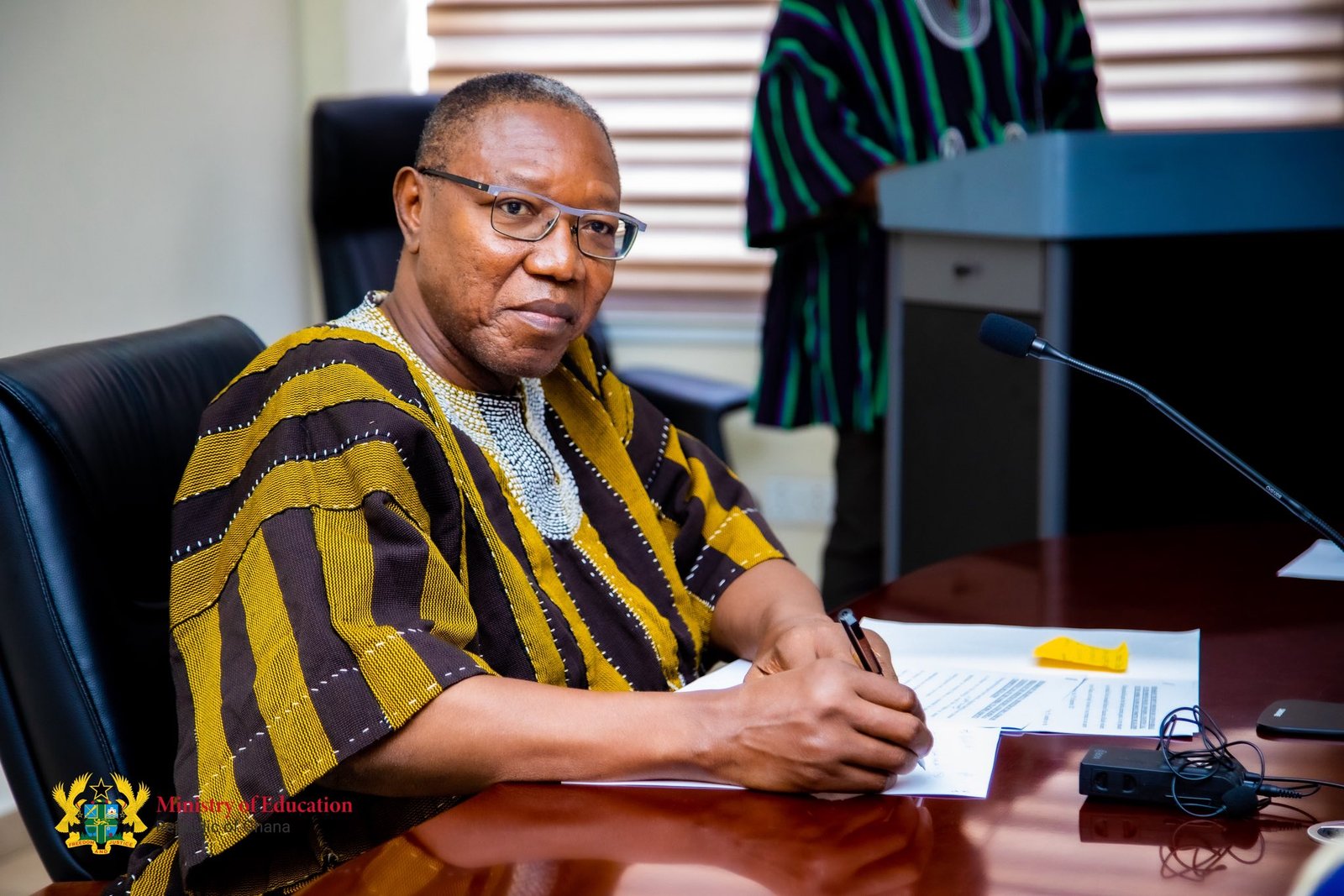
The announcement was made by , Deputy Minister for Education, during a courtesy visit by top awardees of the Basic Education Certificate Examination (BECE).
Financial and Housing Incentives for Teachers
According to the Deputy Minister, teachers who accept postings to rural communities will receive an additional 20 percent on top of their gross salary.
Beyond the financial incentive, the programme also includes accommodation support to address housing challenges commonly faced by teachers in remote areas.
Dr Apaak explained that the combined package aims to make rural postings more attractive while ensuring that students in deprived communities receive quality instruction.
“The President has a programme that is going to reward teachers who take teaching positions in rural areas. These teachers will receive 20 percent on top of their gross salary as a form of motivation,” he stated.
Policy Rooted in State of the Nation Commitment
The Teacher Dabre initiative was first announced by during the , where the government outlined measures to improve equity in education.
The policy reflects the administration’s commitment to ensuring that students in underserved communities receive the same opportunities as those in urban areas.
Education analysts have long argued that unequal teacher distribution remains one of the major challenges facing the , particularly in deprived districts where schools struggle to retain trained teachers.
Addressing Rural Education Inequality
Teacher deployment in rural areas has historically been difficult due to limited infrastructure, poor accommodation, and fewer professional development opportunities.
By introducing financial incentives and housing support, the government hopes to strengthen teacher retention and improve educational outcomes at the basic school level.
Education experts note that similar incentive schemes in other countries have contributed to better teacher distribution and improved learning outcomes in disadvantaged regions.
If successfully implemented, the Teacher Dabre Programme could help narrow the persistent gap between rural and urban schools in Ghana.
Broader Implications for Basic Education
The initiative is expected to complement other national education programmes aimed at strengthening basic education and improving learning outcomes across the country.
Officials believe that attracting more qualified teachers to rural schools will enhance classroom instruction, reduce teacher shortages, and support the overall development of Ghana’s education system.
Related Stories
- Ghana Announces New Measures to Strengthen Teacher Training Programmes
- Government Expands Support for Rural Schools Across the Country
- Education Ministry Outlines Strategy to Improve Learning Outcomes